logo
SHANGHAI DESIKENSHI MOLECULAR SIEVE CO.,LTD
Factory Tour
Home /

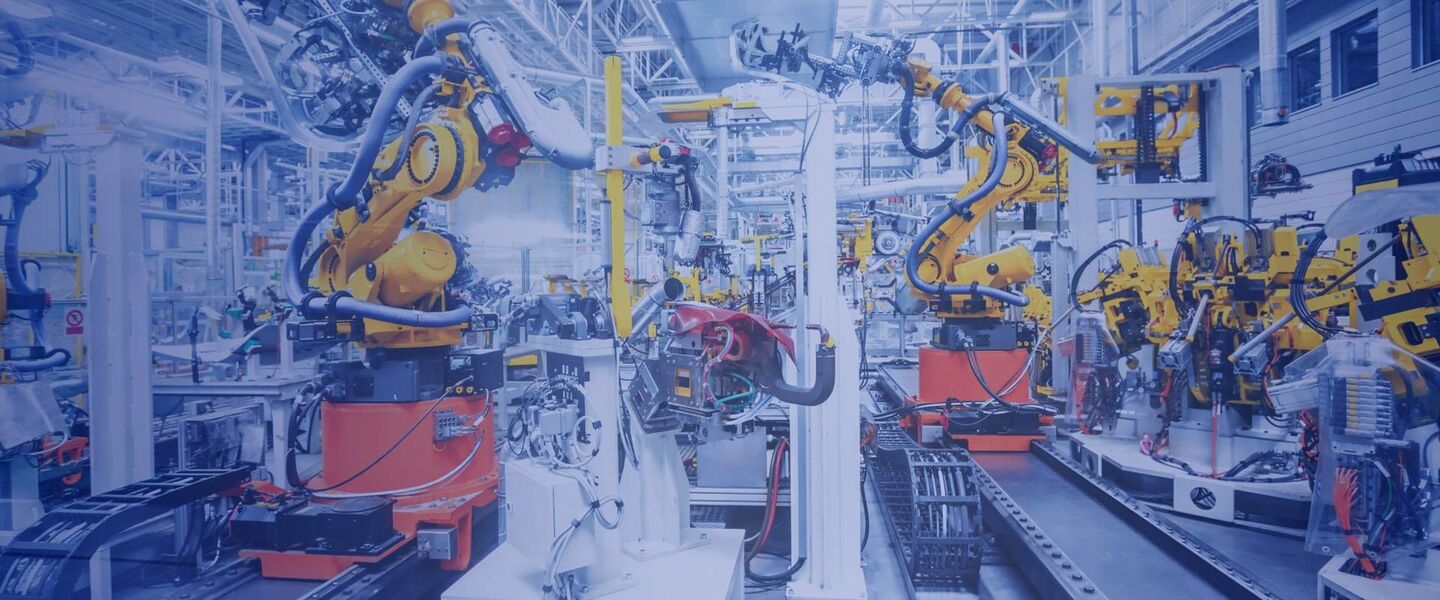
SHANGHAI DESIKENSHI MOLECULAR SIEVE CO.,LTD Factory Production Line

Production Line

Technical Features:

  • Automatic calibration without manual operation and external accessories.
  • Able to detect small suspicious particles on site by built-in microscope.
  • Assess the risk of ignition and stop the laser automatically.
  • Penetrate brown glass, some envelopes and plastic packaging.
  • Small and light, it can be carried and operated easily.
  • Total spectrum library>13,000 species and the contraband spectrum library>3,000 species.
  • Support for multiple language.


Built-in Libraries:

  1. Narcotics and precursor: he-roin, mor-phine, metham-phetamine, ke-tamine, co-caine, MD-MA, fen-tanyl, cannabinoid, ephe-drine, safrole, etc.
    Chemical weapon: GB, GD, VX, HD, etc.
  2. Flammable and toxic liquids: gasoline, kerosene, diesel, methanol, ethanol, nitromethane, ace-tone, benzene, toluene, acetonitrile, tetrahydrofuran, chloroform, etc.
  3. Explosives: ammonium nitrate, potassium nitrate, C4, Composition B, TNT, RDX, HMX, TNP, TATP, etc
  4. Other: starch, sucrose, vitamin C, para-cetamol, analgin, polyethylene, polystyrene, etc.


Technical Features Built-in Libraries Ecer Libraries Maoyt Libraries UC Libraries
Automatic calibration without manual operation and external accessories. Able to detect small suspicious particles on site by built-in microscope. Assess the risk of ignition and stop the laser automatically. Small and light, it can be carried and operated easily. Total spectrum library>13,000 species and the contraband spectrum library>3,000 species.


SHANGHAI DESIKENSHI MOLECULAR SIEVE CO.,LTD factory production line 1


SHANGHAI DESIKENSHI MOLECULAR SIEVE CO.,LTD factory production line 2


OEM/ODM

Because of its high radioactivity and high risk, nuclear contaminated water needs to be treated in a variety of ways to reduce its radioactivity intensity and volume, and to solidify or stabilize it for safe storage or disposal. The commonly used treatment methods are chemical precipitation, ion exchange, adsorption, evaporation enrichment, membrane separation technology, biological treatment, magnetic-molecular method, inert curing method and so on. Each of these methods has its advantages and disadvantages, and it is necessary to choose the appropriate method or combination according to the specific situation. The treated nuclear wastewater must comply with international standards and safety norms to avoid any possible leakage and accidents.